
I watch different kinds of films with different friends. I have a friend I watch trashy rom-coms with and another who loves Disney movies. I even have a friend with whom I only ever watch films starring Dakota Johnson.
I also have a friend for queer documentaries. He works in the documentary world, and I am, of course, a big old queer; it’s the perfect meeting point for us. We recently watched Queendom, a documentary about a young queer artist who risks her life in the name of activism.
Regardless of their personal taste in films, all of my friends encourage me not only to consume LGBTQ+ stories, but also to explore my queerness in any way I wish. After watching Queendom, I have never felt so grateful for that support.
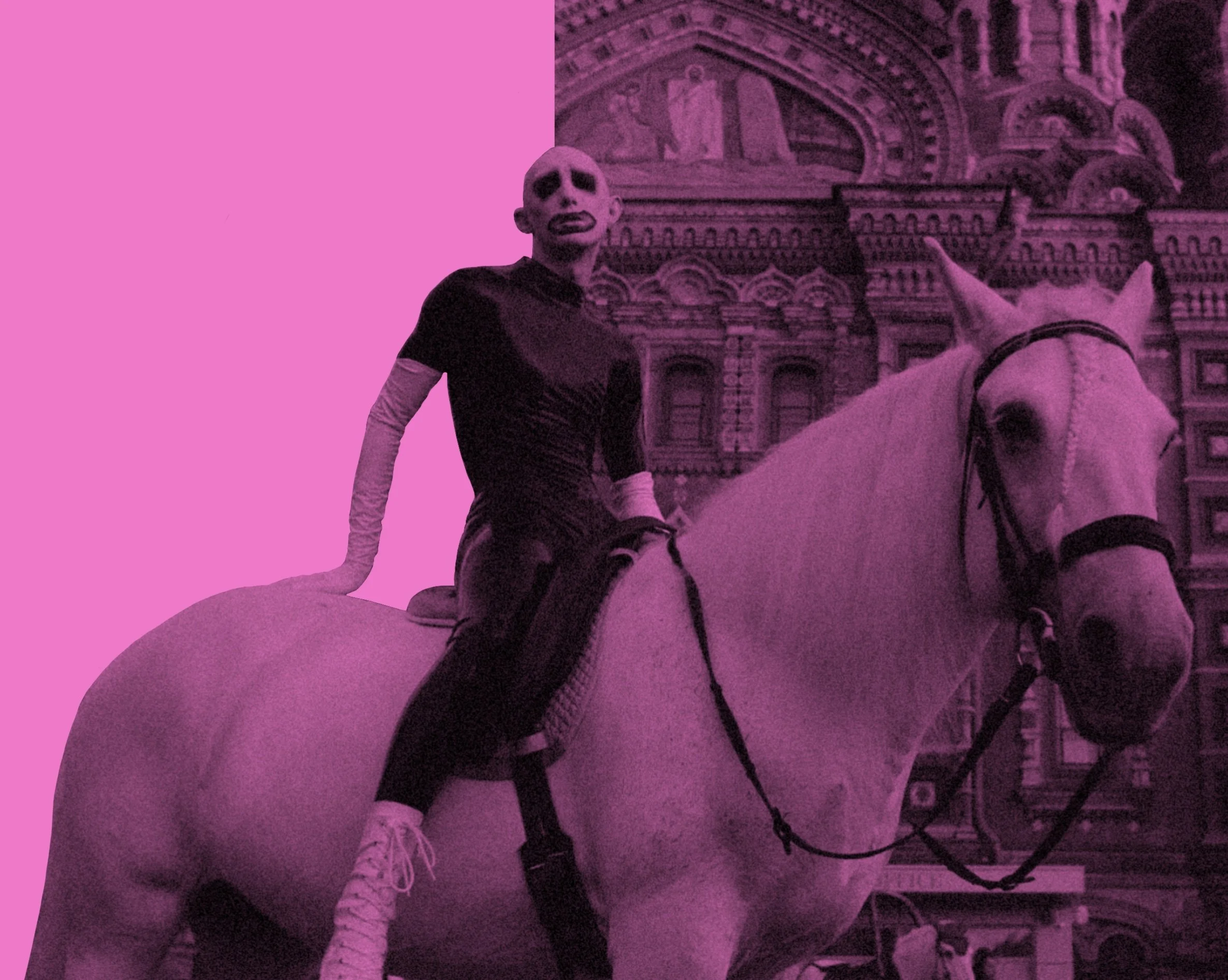
Directed by Agniia Galdanova, Queendom is a BBC Storyville documentary about artistic expression and alternative forms of protest. It follows Gena Marvin, a queer performance artist growing up in a small, impoverished town in Russia rife with prejudice. When she moves to Moscow to study—entering an environment where the law is designed to prosecute LGBTQ+ people rather than protect them—Gena faces escalating danger every time she takes her art to the streets.
Gena Marvin is a larger-than-life entity, an otherworldly drag persona, and an unstoppable force. Sadly, not everyone sees her that way. Gena faces near-constant backlash from the public, ranging from ignorant verbal abuse to violent physical assaults.
There is an immense amount of pain flowing through Queendom. The pain of being gaslit and mistreated by authorities; the pain of feeling misunderstood by your own family; the pain of watching your country enter a war you oppose; and the impossible choice between forced military conscription or fleeing the place you call home. That is a heavy load for a 21-year-old art student to carry.
Despite everything stacked against her, Gena refuses to be pitied. “Whenever I go out in character, I’m on top of the world,” she says directly to the camera. “No one, even here in Russia, can scare me.”
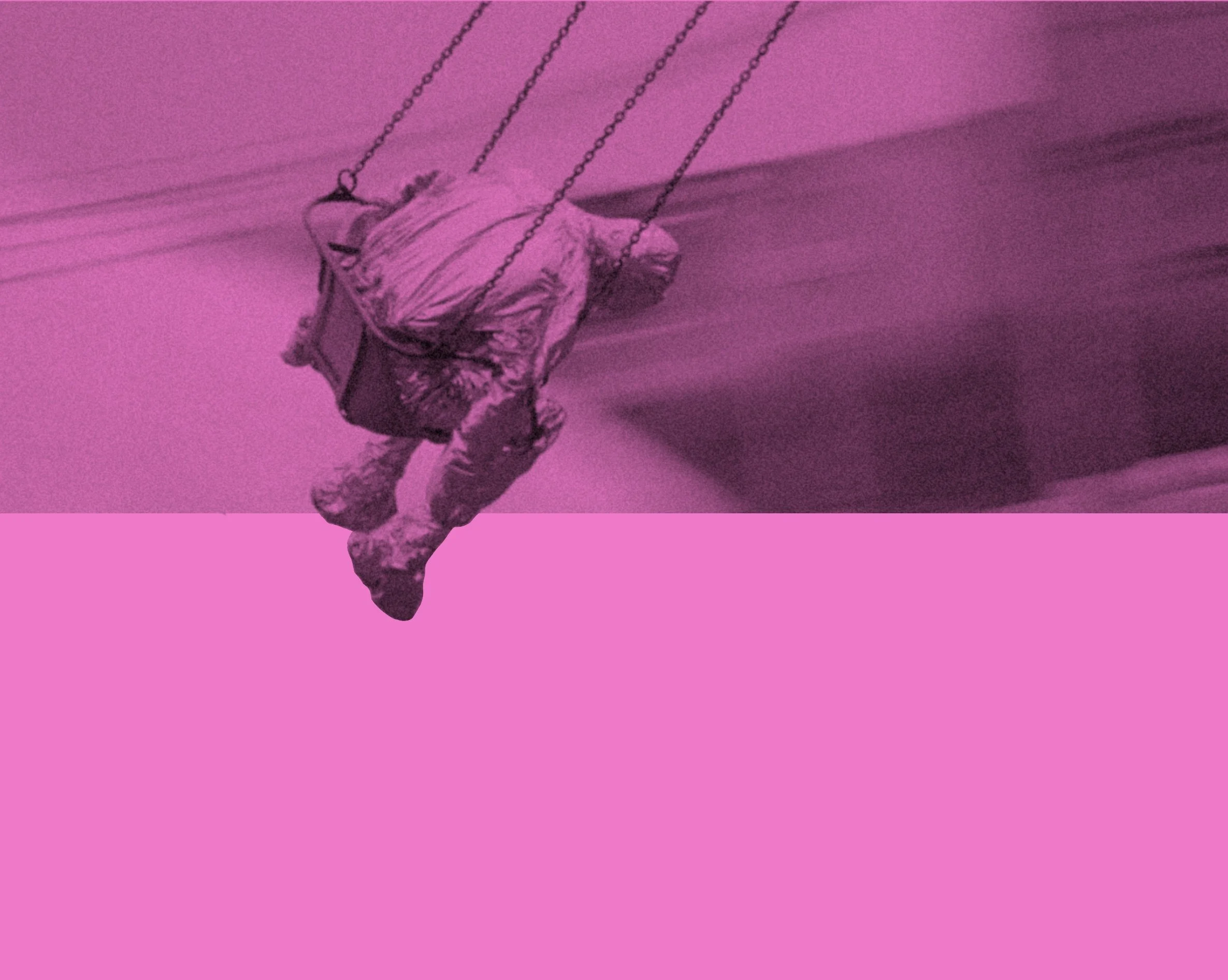
“Whenever I go out in character, I’m on top of the world. No one, even here in Russia, can scare me.”
- Gena Marvin
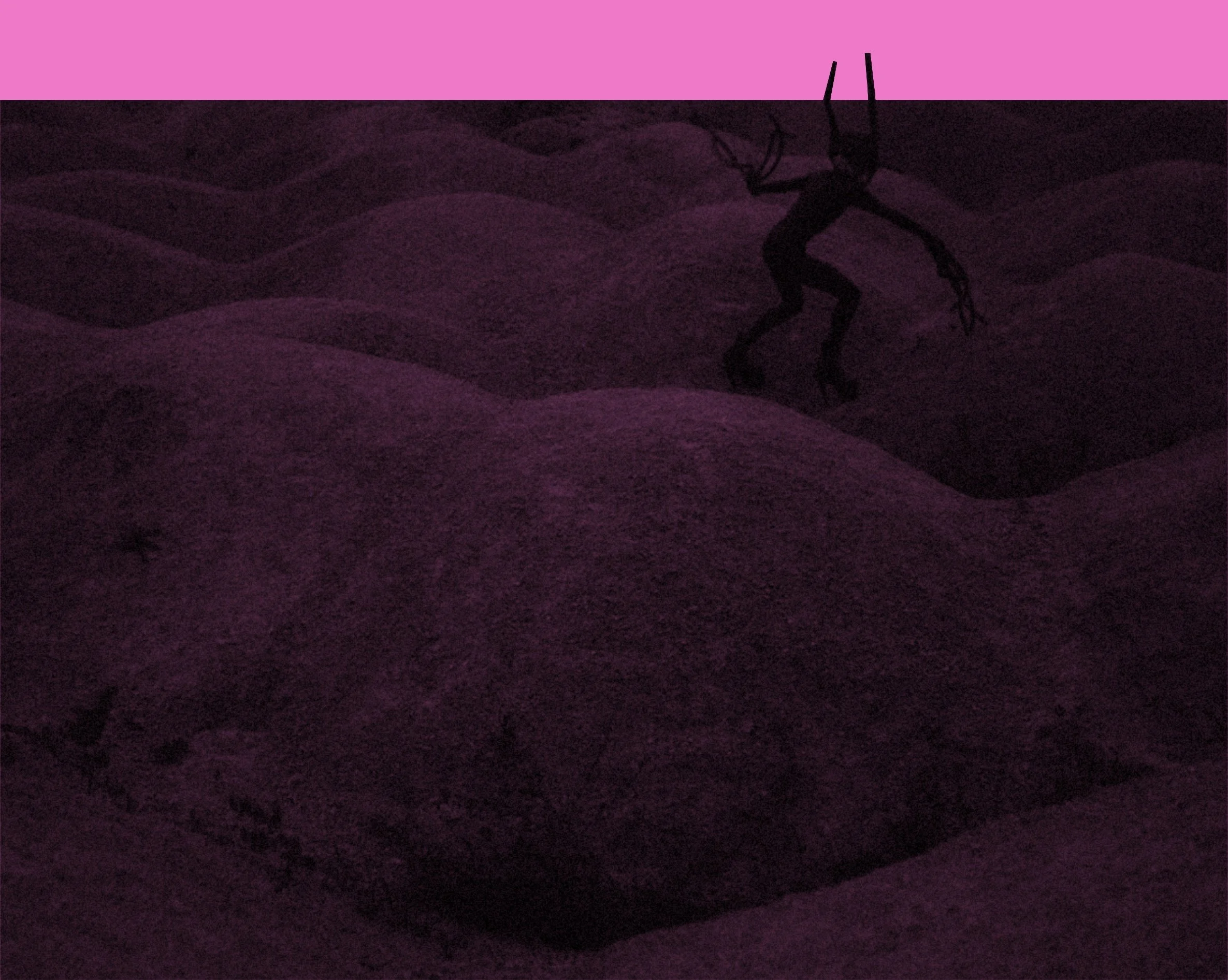
There is a superhuman level of courage at Gena’s core. Using little more than trash and tape, she transforms her body into a towering, menacing, and provocative piece of living sculpture—something to fear, perhaps, but never to pity.
In one of the film's most haunting scenes, Gena wears towering platform boots and body paint, wrapping herself tightly in barbed wire to walk the streets of Moscow in a silent protest against the war in Ukraine. Seeing the painful preparation behind this display proves the physical sacrifice she is willing to make. Gena doesn't just create art; she becomes a vessel for protest.
While Gena’s pieces grow more mesmerising throughout the film, those closest to her struggle to see their beauty. Her grandparents are too overrun with fear and confusion to appreciate her craft.
This family dynamic becomes the most compelling and complex arc in the film, unfolding through heated face-to-face arguments and phone calls. Galdanova never villainises the grandparents. Instead, they are shown as frightened, frustrated people who deeply love the unconventional grandchild they raised. Watching so much love pour out in opposite directions, only to collide in friction, is heartbreaking.
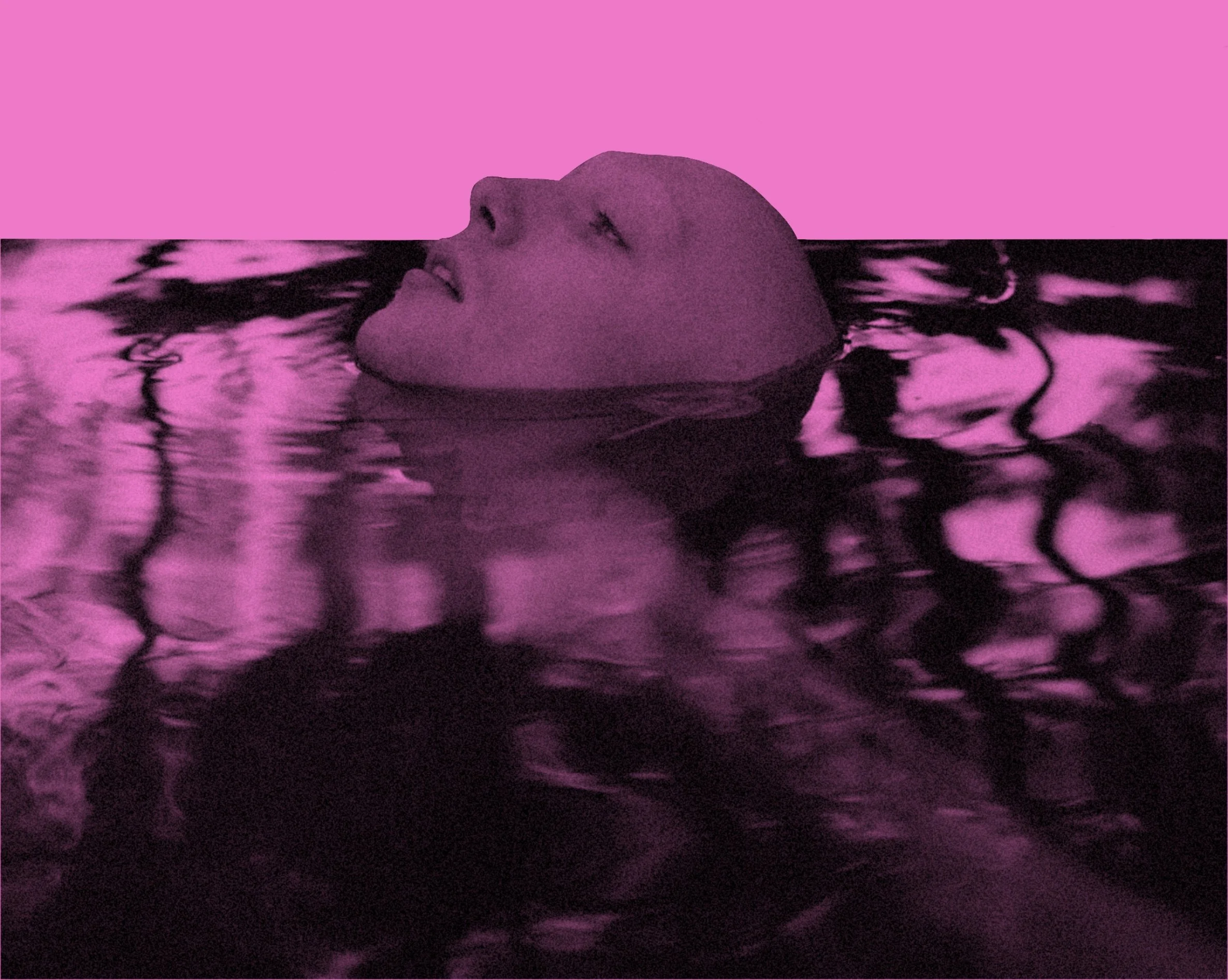
Thankfully, Gena’s chosen family brings vital moments of levity. Scenes of raucous birthday parties and underground fashion shows are not just joyful; they are essential to capturing a complete picture of the queer experience. Watching Gena strut confidently down a catwalk is a powerful reminder that queer joy is just as valid a form of protest as any march.
Queendom is a moving testament to the power of living as your authentic self. It celebrates art and joy as vital tools of resistance, offering an unflinching look at how queer role models endure against the odds. Even in the darkest times, Gena proves that chosen families—and fearless creativity—will always find a way to shine through.