
November 2026
Gays, I have great news! Some outrageously good queer films are on their way.
Despite being based in Birmingham, the Midlands Arts Centre hosts a series of screenings as part of the BFI London Film Festival every year. This time round, they invited me along to watch a few titles in the programme—and, naturally, I chose to see the queerest films in the line-up.
The BFI London Film Festival is a brilliant way to see new releases early, often months before they hit cinemas nationwide. It gives you a rare chance to watch a film before you’re inundated with trailers, reviews, and cast interviews. You walk into the cinema with no preconceived ideas about the plot or how critically acclaimed it might be. Unsurprisingly, this is a far superior way to experience a movie.
The festival lets you make up your own mind. And, in my humble opinion, this year’s line-up featured some of the best queer cinema we’ve seen in a very long time.
La Bola Negra
La Bola Negra follows three generations of men across three different time periods in Spain. Inspired by the life and work of Spanish poet and playwright Federico García Lorca, the film explores what gets passed down through generations, even when people try to bury it.
The narrative splits across three timelines, navigating nearly a century of Spanish history as it traces the interconnected lives of three gay men. On the surface, their lives look entirely different: one is a musician and conscripted soldier during the Spanish Civil War, while another is a modern-day historian with a boyfriend and a Grindr profile. Dig a little deeper, however, and you see they are bound by the ways they must hide parts of their identities, and the sparks of hope they find in other queer people.
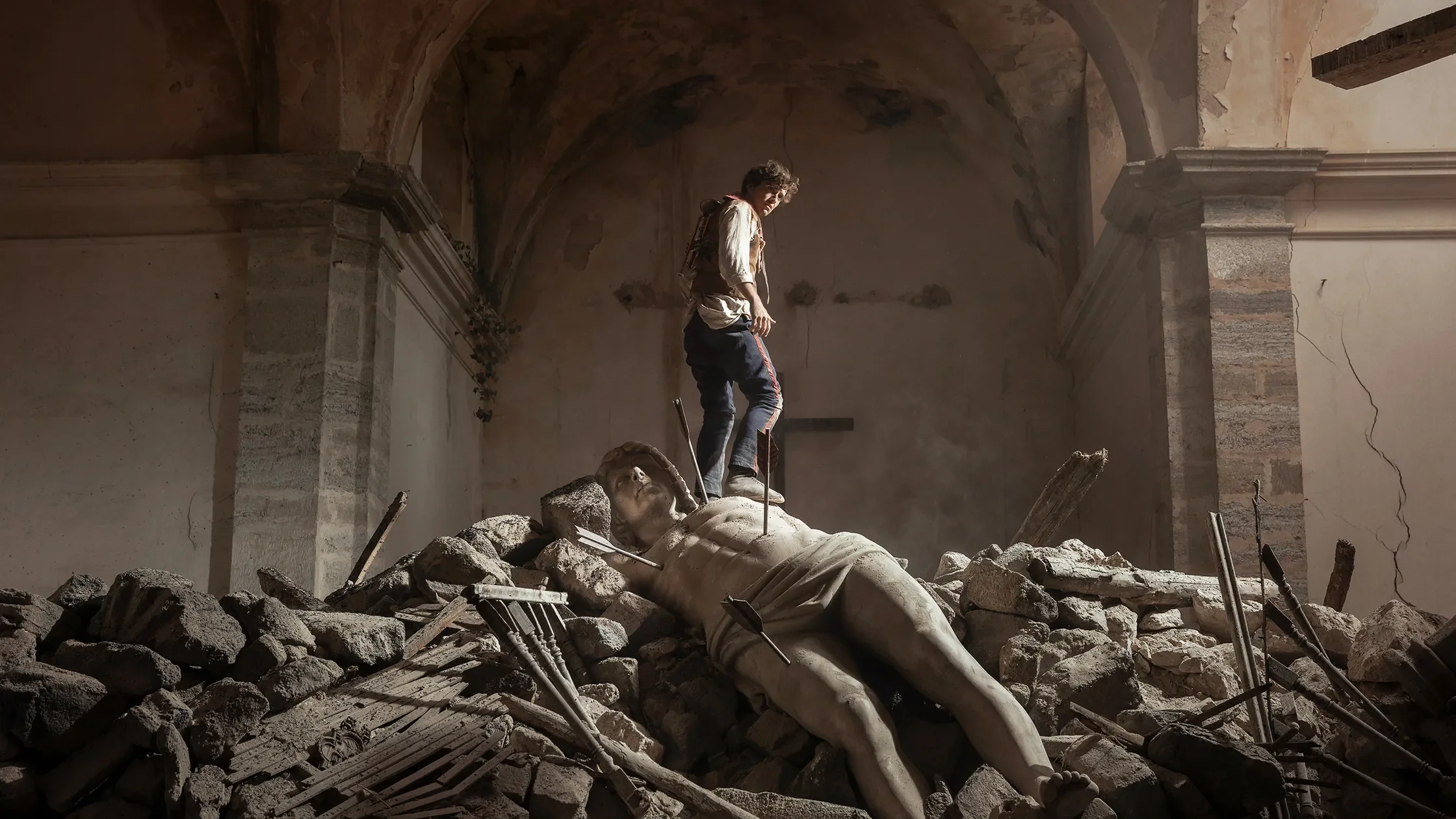
La Bola Negra is out now!
One of the most remarkable things about La Bola Negra is the sheer scale of its storytelling. Not only does it traverse multiple timelines and complex themes, but it delivers sweeping visual poetry, explosive fight scenes, and more than one dance number. It’s big, beautiful, brutal, and (when Penélope Cruz appears) occasionally quite camp. It is both unusual and wonderful to see queer stories told on this scale.
That said, it was the smaller moments that impacted me most. I was so moved by the juxtaposition of a soldier hovering his hand over the body of the man he loves, too scared to touch, against contemporary scenes of a gay couple freely and lovingly embracing. For me, those quiet contrasts are what make La Bola Negra a masterful piece of storytelling and an epic work of cinema.
Club Kid
The setup for Club Kid is a classic. A man discovers he has a child he didn’t know about and embarks on an enlightening journey as he falls in love with fatherhood. The twist? The father in question is gay and far more accustomed to snorting cocaine off toilet seats than changing nappies.
Club Kid explores what happens when you drop a child into the world of a queer man in his thirties. Early on, the film makes the point that while you might need to tone down the drugs and partying, a gay man and a child can build a home full of love and laughter. As the story progresses, it makes a far more profound observation: the world we live in simply isn't built for LGBTQ+ people to have children easily.
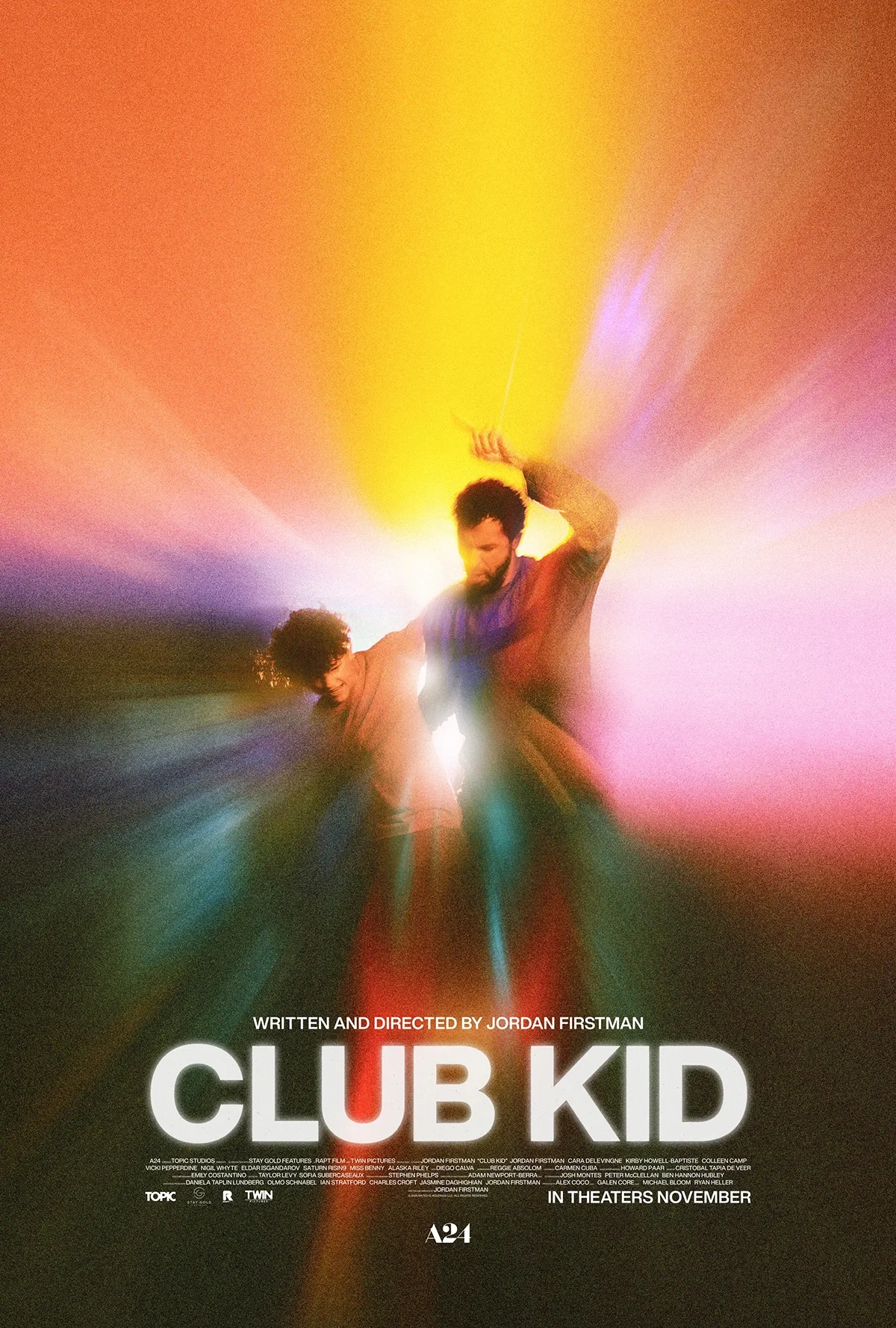
Club Kid is released on January 8th, 2027
This is a film that tickles you with one hand and punches you in the gut with the other. One minute you’re watching a father teach his son how to swear at strangers; the next, they’re cuddled up having a heart-to-heart about self-worth. As this uniquely hilarious duo gets to know each other, the story reveals the best and worst of modern queer culture, from destructive addiction to the beauty of chosen family, all infused with writer-director Jordan Firstman’s laser-sharp wit.
Out of all the films at the festival, Club Kid was the one I was most excited to see. It didn't disappoint, though it did surprise me. As a fan of Firstman’s previous work as a comedian and actor, I expected the film to be hilarious, and it was. What I didn’t expect was for it to be so moving. That blend of humour and heart makes Club Kid an instant queer classic.
Elsinore
Elsinore has my favourite cast of any film at the festival this year. Seeing Andrew Scott, Olivia Colman, Billie Piper, and Joe Locke all share the same screen is the stuff of dreams. Better yet, it feels like the kind of project actors genuinely want to make; a story they care about telling as it uncovers a vital piece of queer history while celebrating the art of theatre.
In the late 1980s, Scottish actor Ian Charleson took on the role of Shakespeare’s Hamlet at London's National Theatre after being diagnosed with AIDS. Elsinore follows Charleson during the final year of his life. Fuelled by his adoration for the stage and supported by fierce allies, he pushes through fear and stigma to deliver his final performance.
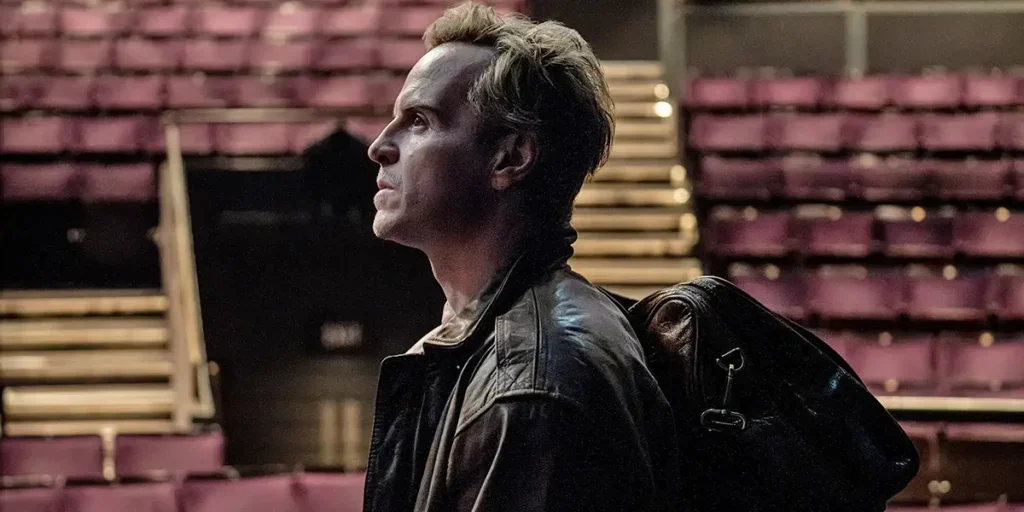
Elsinore is released on January 29th, 2027
It sounds like an incredibly sad film, and at points, it is. There are poignant, heartbreaking moments where Andrew Scott’s Charleson reckons with the end of his own life and the loss of others. Yet there are also silly dance routines in the middle of hospital wards, alongside belly laughs around dinner tables, in pubs, and in rehearsal rooms. In fact, the word “darling” is uttered far more times than AIDS and HIV combined (primarily by Billie Piper, who plays a fabulous casting agent).
Like so many of my favourite films, Elsinore is a celebration of queer joy. Safe spaces are essential for queer joy to thrive, and you don’t get much safer than a theatre. The theatre world became a sanctuary for gay people when almost everywhere else, including many hospitals, was hostile. Elsinore is an ode to queer people’s ability to radically choose joy, make art, and carve out a space where they belong, even when the world is telling them not to.
Having three exceptional queer films as part of the line-up for this year’s BFI London Film Festival feels remarkable. It shows that queer films aren’t just being made; they are telling the stories that need to be told. Stories about prejudice and discrimination, chosen and biological family, queer history, longing, and love.
Queer storytelling is a form of protest. And if you are reading this article, I’m sure you know why we need to use every creative form of protest we have right now