
Interview: Cecilia Righini, Founder of Studio Lutalica
The term “inspiring” is thrown around a lot - especially in design journalism - but it’s the best term I can think of to describe Studio Lutalica. I am profoundly inspired not only by the beautiful design work they create, but how they go about producing it.
You see, Studio Lutalica are on a mission to design a world where women and LGBTQ+ people are empowered to make the changes they want to see. Along the way, they are creating safe spaces (both virtual or in-person) for every creative and organisation they collaborate with. It’s pretty much impossible not to be inspired by them.
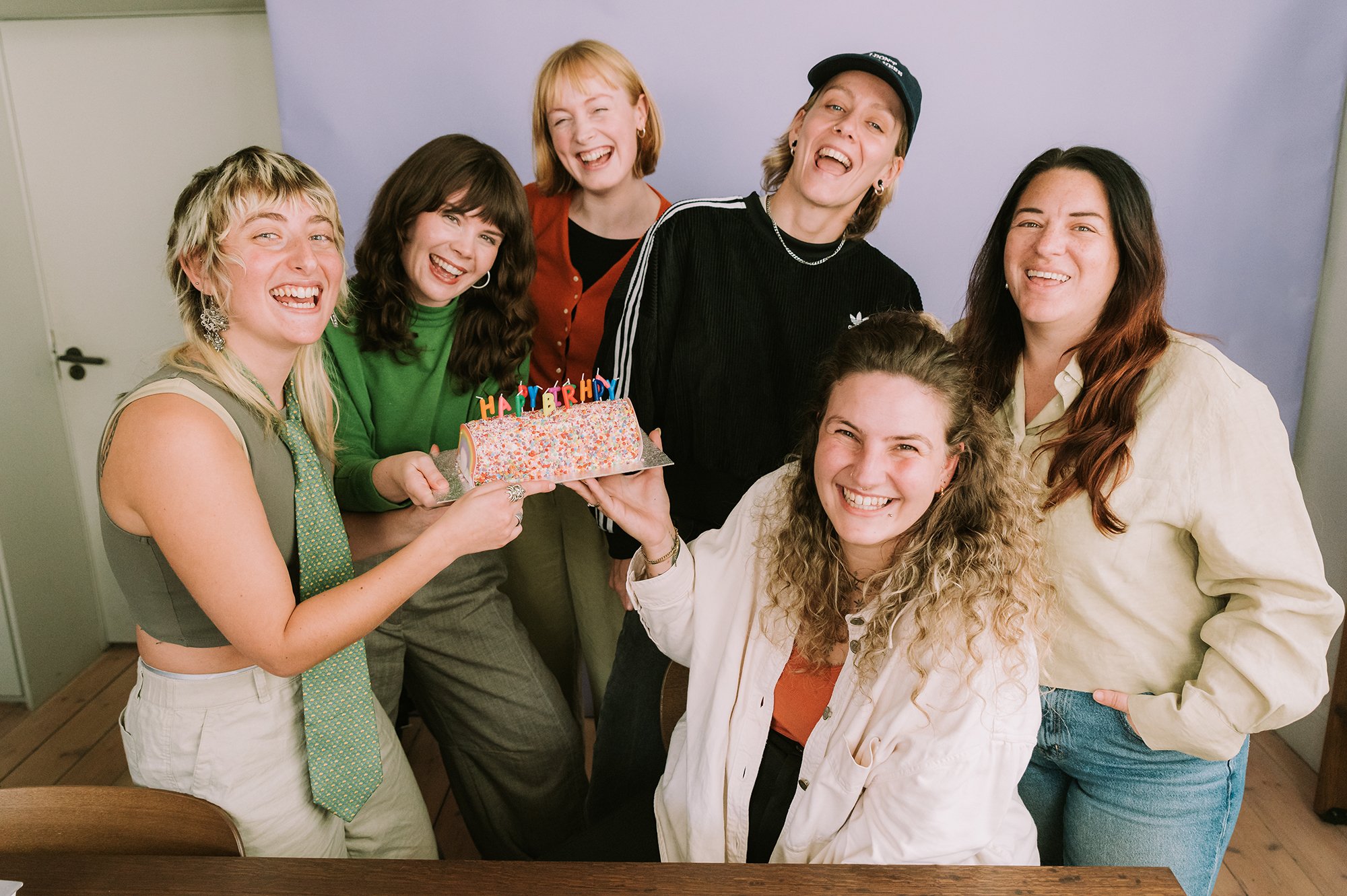
Having worked with Studio Lutalica myself, I can say that they practice 100% of what they preach. They encourage everyone to simply come as they are, and it makes collaborating with them a truly wonderful and freeing experience.
Just like Headless Greg, Studio Lutalica recently turned five years old. To mark our shared milestone, I caught up with their founder, Cecilia Righini, to chat about the reality of running a value-led creative business and the power of authenticity…
Hi Cecilia! Let's go back to the very beginning. Can you tell me about why you started Studio Lutalica?
Honestly? I started it out of a mix of passion and, quite frankly, frustration. I was in the design industry and seeing this massive disconnect. On one hand, I was doing my MA in Gender Studies, and I could see all this vital, world-changing work being done by women and queer founders. On the other hand, the creative industry I was in felt exclusionary, unsafe, and built on a model that prioritised the user as a cis-het man.
I saw that the people whose stories I most wanted to amplify were the very people who couldn't access high-quality design. Studio Lutalica was my answer. I wanted to build the studio I wish existed - one that's lived-experience-led and uses its skills to build essential infrastructure for the communities that are actually trying to build a better world.
“When you're neurodivergent and queer, you often spend a huge amount of energy in traditional workplaces just... existing. ”
- Cecilia Righini
What impact has working with a team of like-minded creatives had on you personally?
It's been transformative. When you're queer and neurodivergent, you often spend a huge amount of energy in traditional workplaces just... existing. You're constantly code-switching, educating, or bracing for the next microaggression.
Working here, with a team that shares a language of lived experience, removes all of that. It's not just a personal relief, it's a profound advantage. It means all that energy I used to waste on fitting in can now go directly into the work - into solving our clients' problems and thinking bigger. It’s the difference between running with a weight vest on and running free.
What do you wish you had known five years ago when you were starting Studio Lutalica?
Five years ago, I thought people over profit was a simple ethical choice. I've since learned that to actually put people over profit, you have to be incredibly rigorous about your finances, your boundaries, and your processes. A four-day work week isn't fluff - it requires ruthless efficiency. Being a values-led business doesn't mean you're less strategic - it means you have to be more strategic, because you're fighting to create a humane space within a system that isn't built for one.
What has been the best part of running Studio Lutalica?
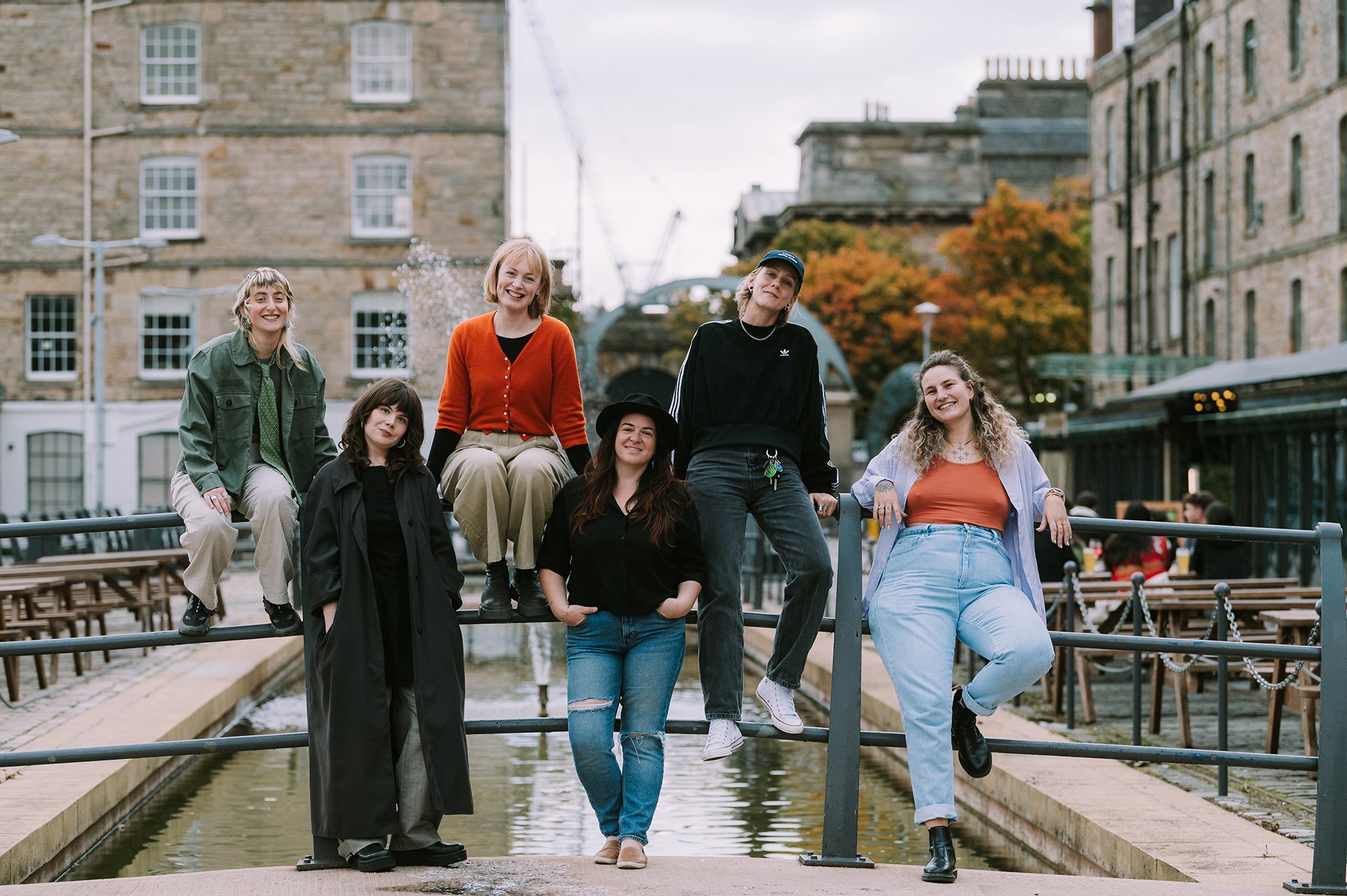
The best part is the team. It’s the collaborative energy, and the deep-seated why we all share. Seeing the team bring their whole, authentic selves to work each day is a joy.
And what has been the most challenging aspect?
The constant, real-world friction of being a values-led CIC. It’s the daily work of balancing our mission - our desire to say yes to every vital, underfunded organisation - with our absolute need to be a sustainable business that pays our team fairly and can continue to grow. It's a tension, but navigating it is the whole point of what we do.
“Seeing the team bring their whole, authentic selves to work each day is a joy.”
- Cecilia Righini
Looking to the future, what would you like to achieve in the next five years?
My goal for the next five years is for our new Community Impact Programme (which covers all of our pro bono, community-focused work) to be fully and sustainably funded by a consortium of partners. I want us to be in a position where we can proactively go to grassroots organisations and not ask “What's your budget?” but rather, “What's your vision?”
We're starting that work right now with our recently launched Designing for Trans+ Futures winter campaign. To mark our fifth birthday, we've set a goal to raise £5,000 to provide essential design support to trans-led organisations in 2026. It's our first big step towards that fully-funded future - moving beyond one-off projects to building a sustainable engine for change. (You can support it here).
And finally, tell me about some queer stories you love…
Oh, this is a great question. Obviously, I am obsessed with Wicked. I mean, who isn’t? A combo of the GQ’s Man of the Year and People’s Sexiest Man Alive? Yes, please. Great queer-coded storytelling, but I love the care in its world-building - the accessibility considerations in designing for the animals felt intentional and thoughtful.
I've also been thinking a lot about representation lately - specifically, the kind that doesn't announce itself. What really excites me are the shows and films where queer and trans characters just exist - where their identity isn't the plot, it's just part of the fabric. Wayward, Riot Women, Loot, The Morning Show, to name a few, I’ve been watching - all of them drop us into stories where queerness is as unremarkable as liking the colour green. And I think that matters. It's harder to turn us into a scapegoat when we're woven into the everyday. Imagine someone trying to rally against people who like green because it's "unnatural." Absurd, right?
That philosophy also shapes how we approach design. Working with feminist and queer organisations doesn't mean everything has to be pink, glittery, and covered in rainbows. We're more than our identities. What we need - what everyone needs - is a space safe enough to be fully ourselves, so the rest of who we are can come through in the work.