
LGBTQ+ History: 5 Queer Mental Health Pioneers
I’m not as literate in LGBTQ+ history as I’d like to be; I don’t know as many names from the queer history books as I ought to - but recently I’ve been trying to change that. As I am interested in brain chemistry, I have been reading up on influential figures from queer history who have helped advance social and scientific progress in the field of mental health.
As LGBTQ+ History Month draws to a close, I thought I’d share some of what I have learnt. I’ve picked out 5 facts about 5 different queer pioneers: E. Kitch Childs, Magnus Hirschfeld, Alan L. Hart, Helen Boyle and Audre Lorde.
E. Kitch Childs
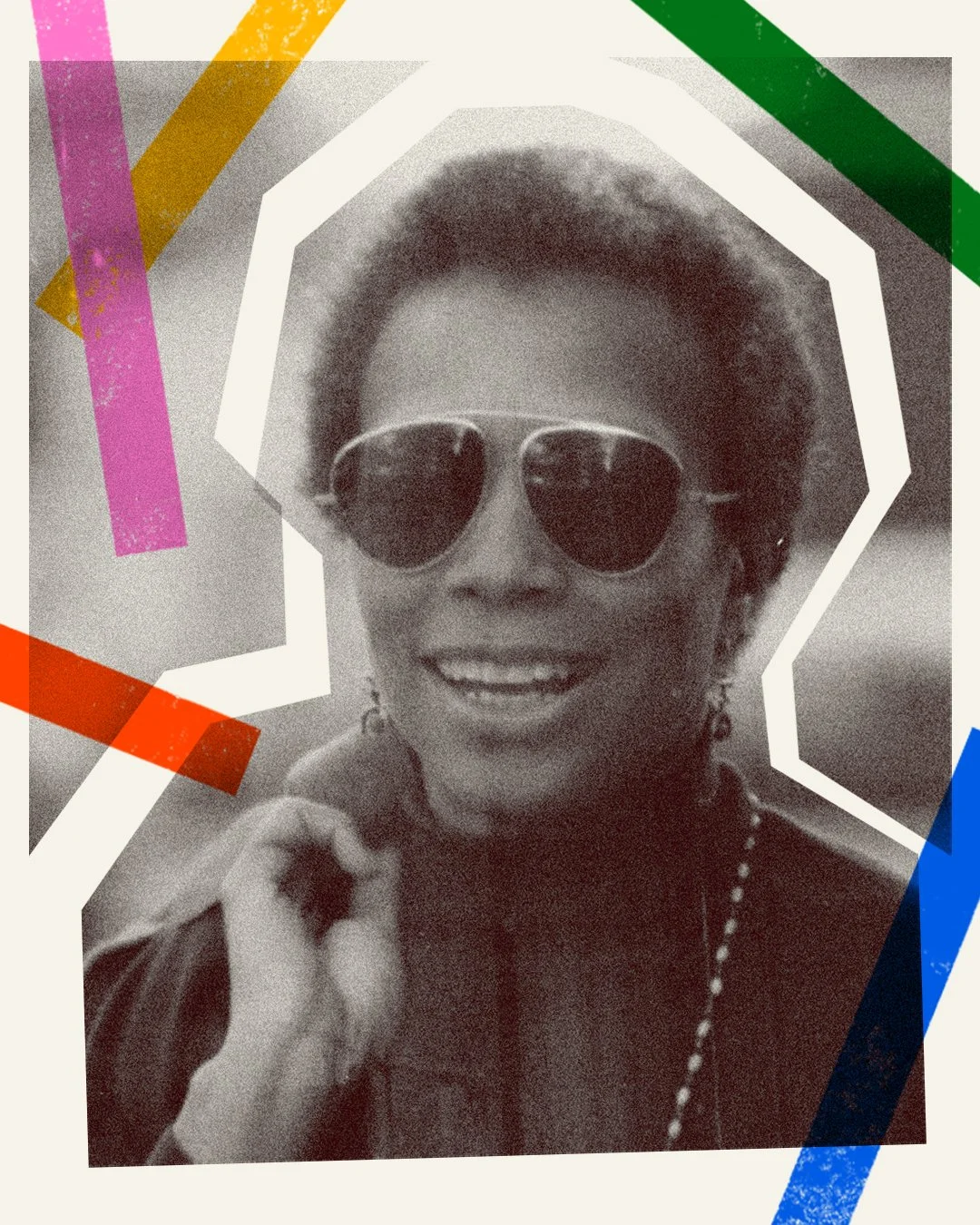
Born in 1937, E. Kitch Childs was an American lesbian psychologist and activist who…
Believed in making therapy accessible.
Childs ran her own private practice as a therapist in California for 17 years, which centred on inclusive, patient-centred care. She used a sliding-scale payment method to limit barriers to her services and was known for offering free sessions to some clients. Childs lived modestly so that she could always accommodate her community.
Was an activist in queer, women’s and Black spaces.
As a founding member of the Association for Women in Psychology (set up to address the lack of research into the psychology of women), Childs used her platform to advocate for marginalised women - namely, Black and lesbian women. She was also a founding member of the University of Chicago’s Gay Liberation and helped organise the first ever Pride in Chicago.
“I am not defined by the single variable of whom I sleep with.”
- E. Kitch Childs
Advocated for the decriminalisation of prostitution.
Through her involvement in the sex workers’ rights group COYOTE (Call Off Your Old Tired Ethics). Childs acted as an ally alongside sex workers who were demanding respect from society and an end to police harassment.
Was inducted into the LGBT Hall of Fame in 1993.
In recognition of her efforts to dismantle the American Psychiatric Association’s position on homosexuality, which they had listed as a psychological disorder until 1973.
Loved music.
Childs grew up singing and, as a young woman, joined the chorus for the Philadelphia Symphony Orchestra. She last sang publicly at a memorial for Audre Lorde (who we will learn more about in a moment).
Magnus Hirschfeld
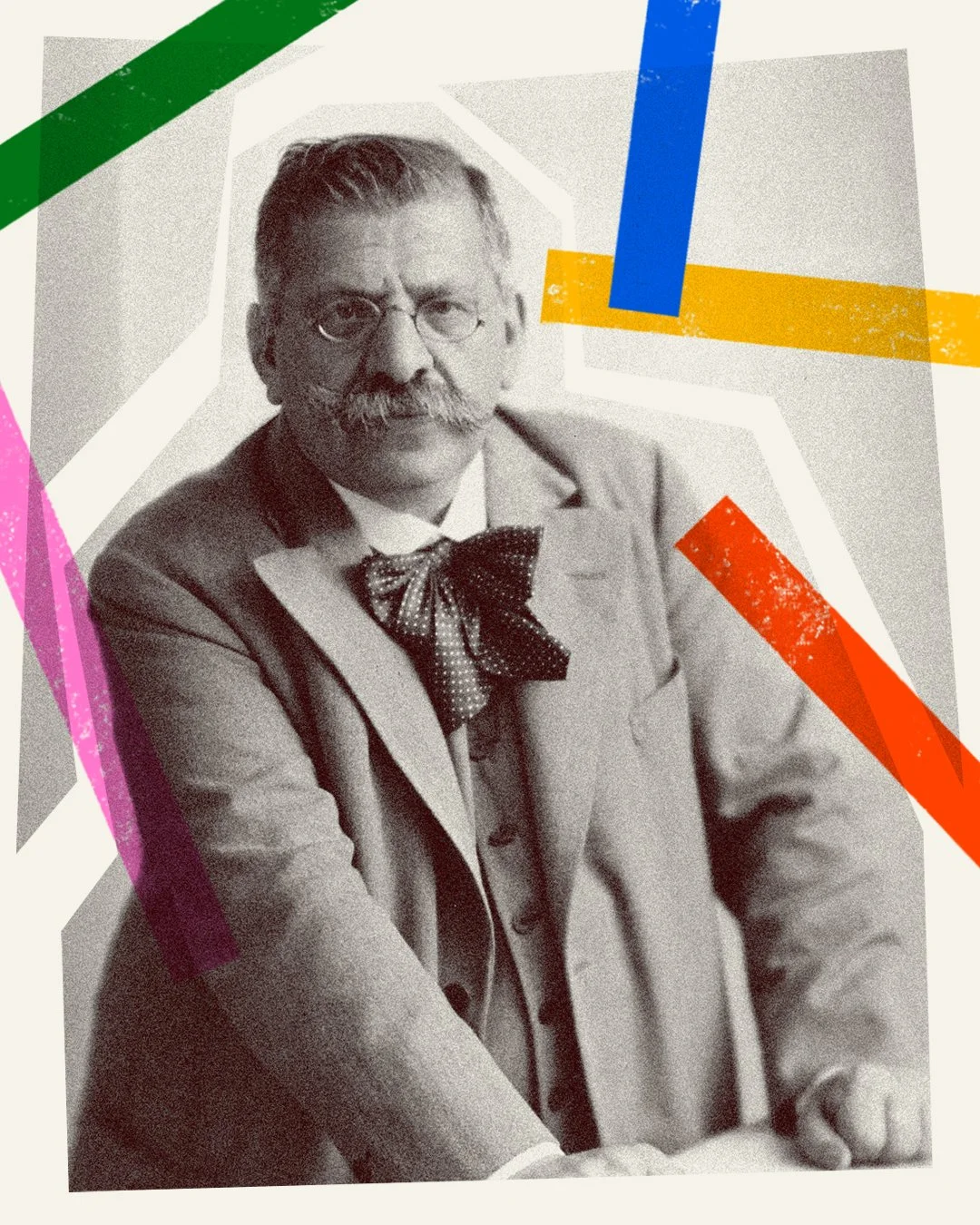
Born in 1868, Magnus Hirschfeld was a German, gay, Jewish physician, sexologist and LGBTQ+ advocate who…
Became fascinated by the universality of gay subcultures.
While travelling around the world, Hirschfeld was struck by how underground gay scenes in places as far spread as Berlin, Tokyo and Chicago all shared many of the same cultural similarities.
Co-founded the Scientific Humanitarian Committee.
Founded on the belief that a better scientific understanding of sexuality would eliminate social hostility towards homosexuals, the committee undertook research to defend the rights of gay people and repeal the criminalisation of homosexuality. “Justice through science” was their motto.
”The persecution of homosexuals belongs to the same sad chapter of history in which the persecution of witches and heretics is inscribed.”
- Magnus Hirschfeld
Was deeply affected by the death of one of his patients.
A young lieutenant, who Hirschfeld had been treating for severe depression, took his own life in 1896. He left Hirschfeld a letter, in which he said that, despite his best efforts, he could not end his desires for other men, and so had ended his life out of guilt and shame. Hirschfeld repeatedly cited this incident as the catalyst for his work as a gay rights activist.
Believed that there was a close connection between the causes of gay rights and women’s rights.
Hirschfeld campaigned for the decriminalisation of abortion and was a member of Bund für Mutterschutz (League for the Protection of Mothers). He was also part of a collective campaign which successfully stopped the criminalisation of female homosexuality.
Co-wrote and acted in the 1919 film Ander al die Andern (Different From the Others).
Which included one of the first homosexual characters ever featured in cinema. Hirschfeld played himself in the film.
Alan L. Hart
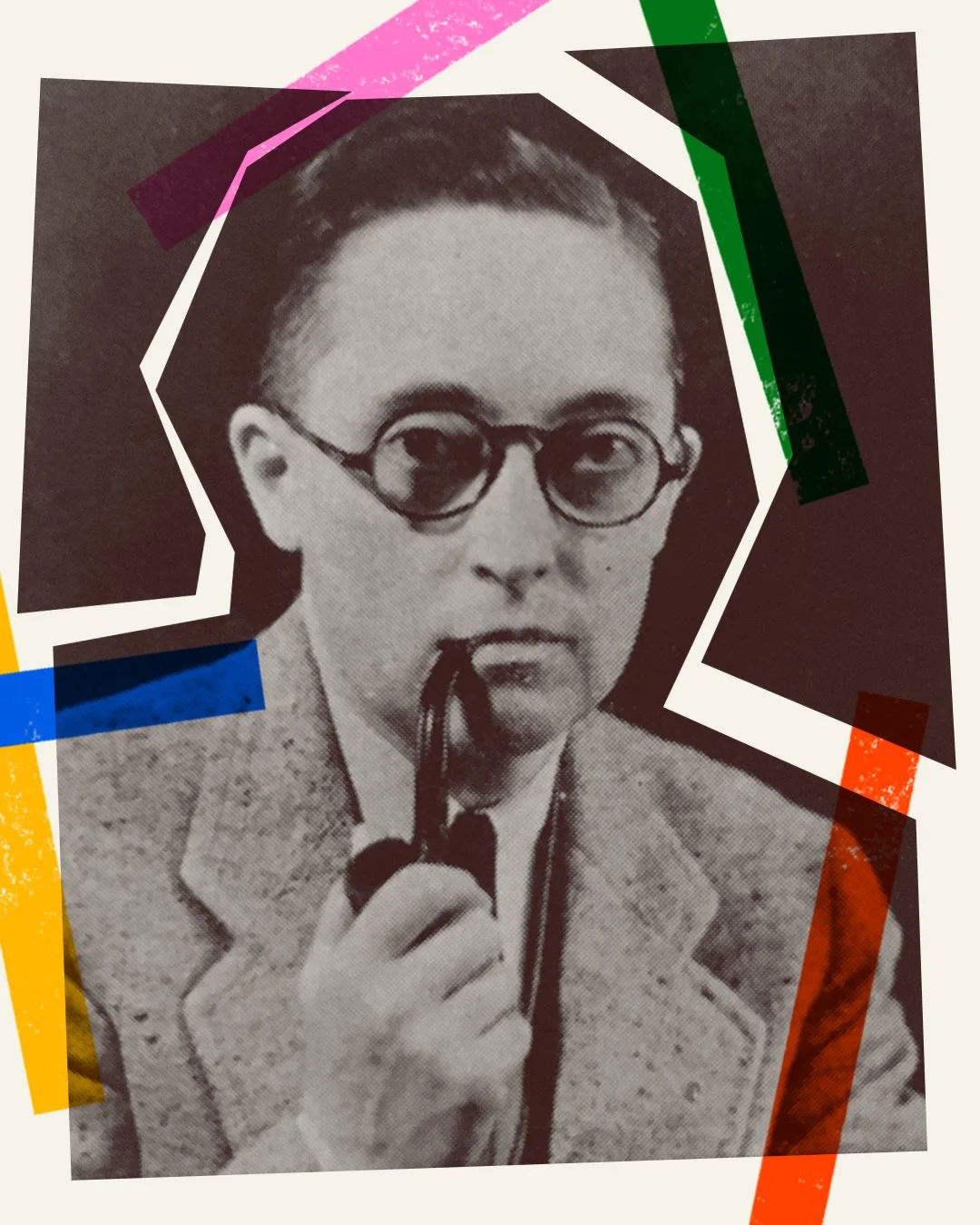
Born in 1890, Alan L. Hart was an American, trans physcian, radiologist, researcher and writer who…
Devoted much of his career to research into and treatment of tuberculosis
Which was the biggest killer in America in the early 20th century. Hart developed medical techniques - including detection through x-ray - which managed to cut the TB death toll down to one fiftieth of what it had previously been, before antibiotics were introduced in 1940.
Had a second career as a novelist.
Hart had 4 books and 9 short stories published, which explored themes of gender dysphoria, sexual identity, and the pursuit of authenticity in a restrictive, often hostile society.
"I came home to show my friends that I am ashamed of nothing.”
- Alan L. Hart
Is the first documented transgender male transition in the US.
Hart's surgery was completed by Joshua Allen Gilbert at the University of Oregon Medical School in 1918. He then legally changed his name.
Paved the way for more affirming approaches to gender care.
Before his medical transition, Hart tried an early form of “conversion therapy” for his gender identity. His experience was documented in a case study, which became an early look at the unethical nature of trying to “cure” gender dysphoria, and supported the necessity of transition over conversion.
Now has a fund which makes grants for research into leukaemia.
Hart’s mother had died of leukaemia, and it was his final wish to raise funds to help cure the disease.
Helen Boyle
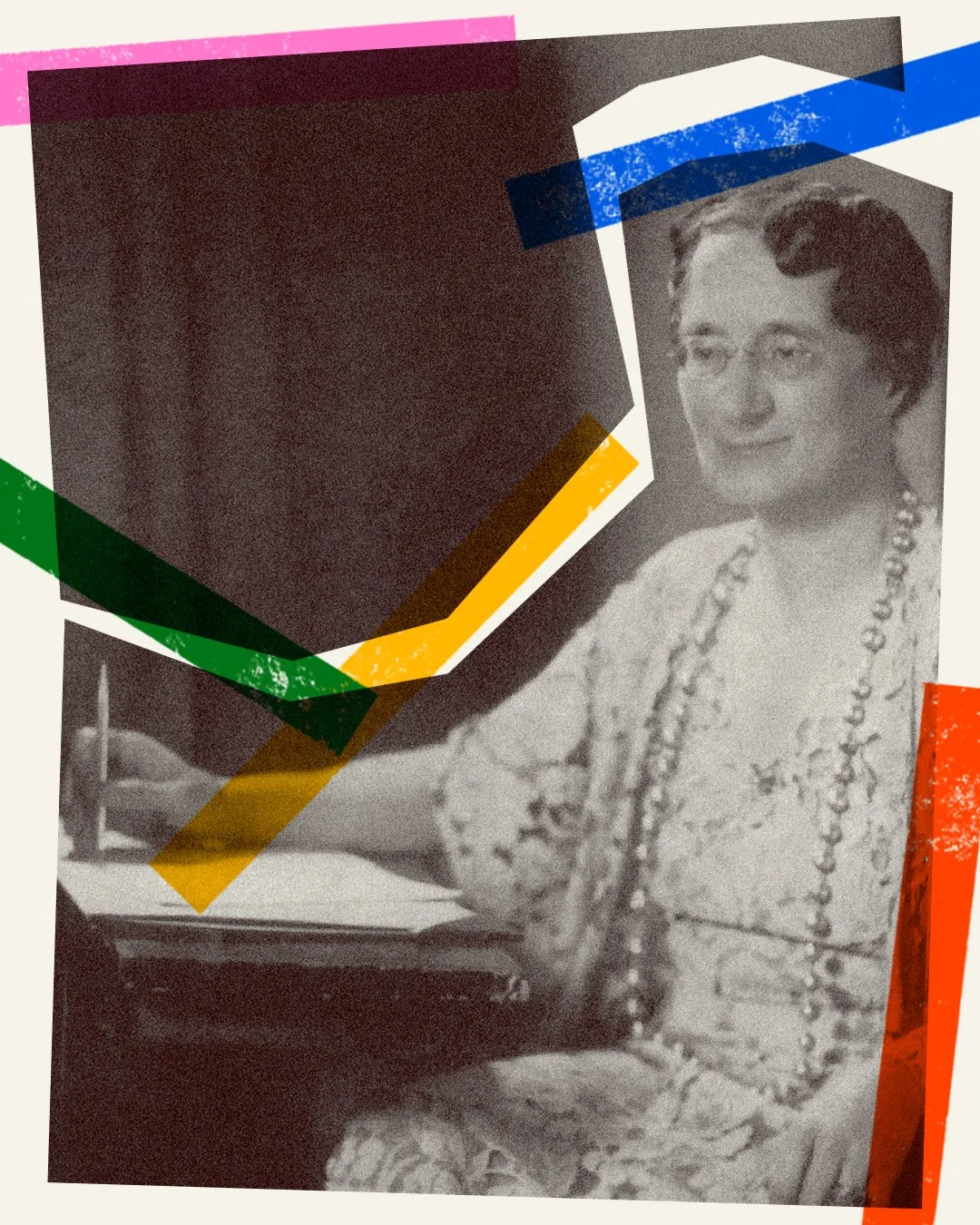
Born in 1869, Helen Boyle was an Irish-British, lesbian psychiatrist and psychologist who…
Studied in Scotland, England and Belgium.
Studying at the London School of Medicine for Women, the Royal College of Physicians of Edinburgh, and the Royal Faculty of Physicians and Surgeons of Glasgow, before completing her studies in Brussels.
Became the first female GP in Brighton.
At Lewes Road Dispensary for Women and Children. She later opened a hospital in Brighton, which offered affordable medical treatment for women and children.
Was a pioneer in the preventative treatment of women in the early stages of mental illness.
Boyle was particularly passionate about providing female-led, free and low-cost treatment to working-class women who couldn’t afford GPs’ charges.
Served with the Royal Free Hospital unit in Serbia during the First World War.
Between 1914 and 1918. She was awarded the Queen Elizabeth Medal in recognition of her efforts.
Was the co-founder of mental health charity Mind.
Which was originally known as the National Association for Mental Health.
Audre Lorde
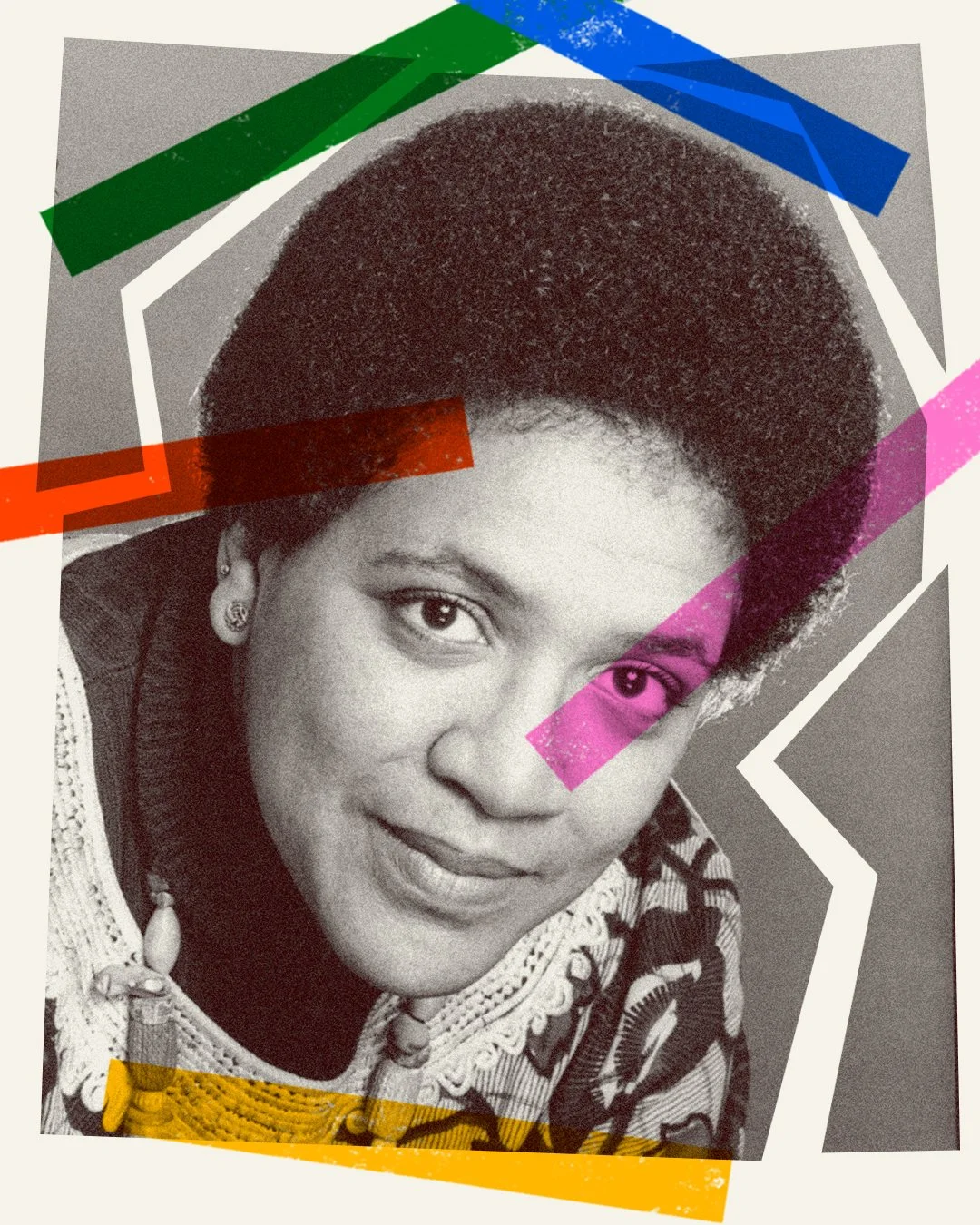
Born in 1934, Audre Lorde was an American, lesbian writer, poet, professor, intersectional feminist and civil rights activist who…
Described herself as thinking in poetry.
As a child, Lorde struggled with communication, which led her to develop a deep appreciation of poetry from an early age. She memorised lots of poems and, if asked how she was feeling, would reply by reciting one.
Explored the idea of collective identity through her work.
Lorde did not want to identify as just one category, instead celebrating all the parts of herself equally. She identified as a Black, lesbian, feminist, socialist, mother, warrior, poet.
"Let me tell you first about what it was like being a Black woman poet in the '60s, from jump. It meant being invisible. It meant being really invisible. It meant being doubly invisible as a Black feminist woman, and it meant being triply invisible as a Black lesbian and feminist.”
- Audre Lorde
Wrote extensively about her experiences suffering from breast cancer.
In essays and journal entries which were published in her books, The Cancers Journals and A Burst of Light. Through writing, Lorde explored themes including disability, sexuality, mortality, emotional healing and inner power.
Was an advocate for the importance of self-care and rest to avoid burnout.
Specifically, Lorde recognised the need to care for yourself - physically, emotionally and mentally - as a necessary act of resistance against structures designed to silence and repress. She said: “Caring for myself is not self-indulgence, it is self-preservation and it is an act of political warfare”.
Married a gay man named Edwin Rollins in 1962.
They both decided to stay closeted due to discrimination, but had an open marriage, meaning they could explore same-sex relationships with other people.
These extraordinary individuals - Audre Lorde, Helen Boyle, Alan L. Hart, Magnus Hirschfeld and E. Kitch Childs - helped fight against stigma surrounding mental health, push forward conversations on the topic and pioneer game-changing new treatments. They are all true queer icons.
I’ve had a lovely time researching and writing this article; getting to delve into topics I haven’t explored before and share what I learn along the way is one of my favourite things about being a writer. I hope you’ve enjoyed reading it too. Happy LGBTQ+ History Month, one and all!